
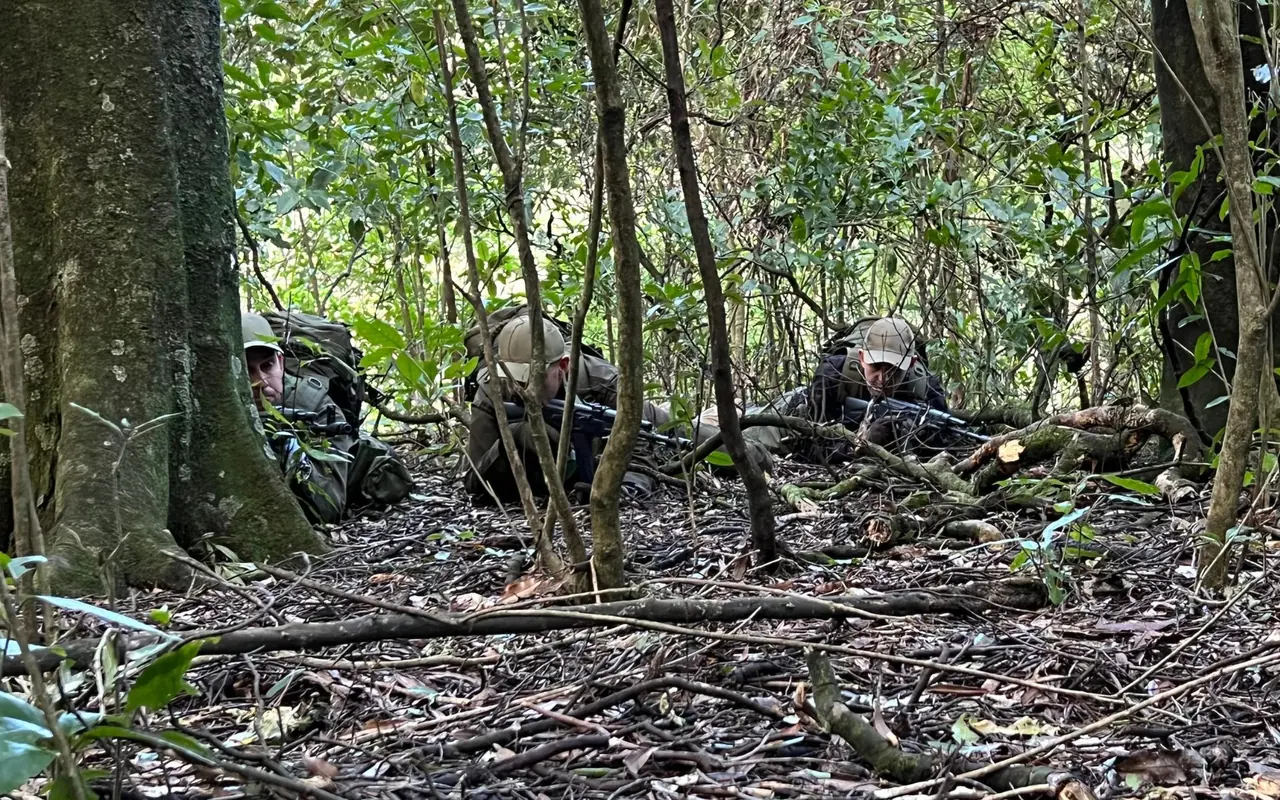
Every OPFOR role player goes through several stages before working with a client: an application, a selection event, and then training in modules for each type of role.
What happens at selection?
Selection is a one- or two-day event of classroom and physical activities. It shows candidates the physical and mental demands of working as an OPFOR role player, and lets OPFOR learn about each candidate's character and commitment before training begins. It is not run like a military selection, but it is physically challenging.
What happens after selection?
Training is run in small modules so that people in full-time work can attend. Each module prepares role players for a type of work; for example, a conventional army module teaches basic patrolling and working in a squad. Training is both theoretical and practical.
Candidates recorded during selection events and phase 2 training appear in OPFOR's videos: selection event, phase 2 training.
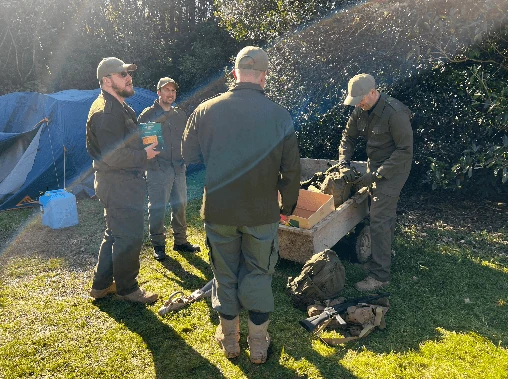
Ethics
The team behind OPFOR is apolitical, believes in gender and racial inclusion, and is strongly against discrimination. Some services may theme regional conflicts or specific threat groups; OPFOR is only interested in the training value, and replicates behaviour only as far as needed to achieve the outcome.
Everyone taking part must be comfortable with any themed activity and can opt out if it becomes confronting. Training to realism matters, but the wellbeing of the people involved always comes first. Racist or hateful behaviour is not tolerated.
Security
OPFOR is a vetted team. Role players must pass background checks and references and keep to high standards of conduct. Because an OPFOR can be confronting, only selected people are trained and allowed to work with clients, and anyone who shows questionable behaviour may be removed from the programme.
All training is for role play only. It does not prepare anyone for real combat or the use of firearms, and role players never have access to real firearms: they use replica or simulation systems only.
Safety
All training and work is developed with safety in mind. Role players receive first aid training, training in survival in hostile climates, and treatment of weather-related injuries and trauma. Hearing protection is used during loud activities, and protective equipment is used whenever projectiles are involved, such as simulation rounds or paintball.